-
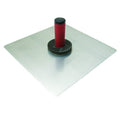
Marshalltown Aluminium Hawk DuraSoft Handle
Regular price From £35.00 GBPRegular priceMarshalltown Aluminium Hawk DuraSoft Handle
Regular price From £35.00 GBPRegular priceMarshalltown Aluminium Hawk DuraSoft Handle
Regular price From £35.00 GBPRegular price -
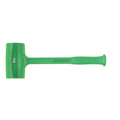
Bon Tool Dead Blow Paver Mallet & Sledge
Regular price From £76.00 GBPRegular priceBon Tool Dead Blow Paver Mallet & Sledge
Regular price From £76.00 GBPRegular priceBon Tool Dead Blow Paver Mallet & Sledge
Regular price From £76.00 GBPRegular price -
 Sold out
Bon Tool Rubber Paver Sledge
Regular price From £155.00 GBPRegular priceBon Tool Rubber Paver Sledge
Regular price From £155.00 GBPRegular priceBon Tool Rubber Paver Sledge
Regular price From £155.00 GBPRegular price -
Ragni Flexlite Skimming Trowel with Hi-Lift
Regular price From £41.00 GBPRegular priceRagni Flexlite Skimming Trowel with Hi-Lift
Regular price From £41.00 GBPRegular priceRagni Flexlite Skimming Trowel with Hi-Lift
Regular price From £41.00 GBPRegular price -
Halder Simplex soft-face mallet, aluminium housing - TPE-soft / TPE-mid
Regular price £58.00 GBPRegular price£37.03 GBPSale price £58.00 GBP -
Halder Supercraft soft-face mallet, steel tube handle
Regular price From £35.00 GBPRegular priceHalder Supercraft soft-face mallet, steel tube handle
Regular price From £35.00 GBPRegular priceHalder Supercraft soft-face mallet, steel tube handle
Regular price From £35.00 GBPRegular price -
Bon Tool Curved Top Hawk - Stainless Steel with Wood handle (13-401)
Regular price £23.00 GBPRegular price -
 Sold out
 -
Halder Simplex soft-face mallet, cast iron housing - Rubber Composition / Superplastic
Regular price £58.00 GBPRegular price -
 Sold out
Marshalltown ProSkim
Regular price From £18.00 GBPRegular priceMarshalltown ProSkim
Regular price From £18.00 GBPRegular priceMarshalltown ProSkim
Regular price From £18.00 GBPRegular price -
Halder Simplex soft-face mallet, cast iron housing - "Stand-Up" / Superplastic
Regular price From £52.00 GBPRegular priceHalder Simplex soft-face mallet, cast iron housing - "Stand-Up" / Superplastic
Regular price From £52.00 GBPRegular priceHalder Simplex soft-face mallet, cast iron housing - "Stand-Up" / Superplastic
Regular price From £52.00 GBPRegular price -
Marshalltown Gold Stainless Steel Finishing Trowel
Regular price From £60.00 GBPRegular priceMarshalltown Gold Stainless Steel Finishing Trowel
Regular price From £60.00 GBPRegular priceMarshalltown Gold Stainless Steel Finishing Trowel
Regular price From £60.00 GBPRegular price -
Ragni Protective Trowel Wallet
Regular price From £11.00 GBPRegular priceRagni Protective Trowel Wallet
Regular price From £11.00 GBPRegular priceRagni Protective Trowel Wallet
Regular price From £11.00 GBPRegular price -
Bon Plastic Trowel - Camel Back Wood Handle
Regular price From £49.00 GBPRegular priceBon Plastic Trowel - Camel Back Wood Handle
Regular price From £49.00 GBPRegular priceBon Plastic Trowel - Camel Back Wood Handle
Regular price From £49.00 GBPRegular price -
Halder Simplex soft-face mallet, cast iron housing - Rubber Composition / Plastic
Regular price From £22.00 GBPRegular priceHalder Simplex soft-face mallet, cast iron housing - Rubber Composition / Plastic
Regular price From £22.00 GBPRegular priceHalder Simplex soft-face mallet, cast iron housing - Rubber Composition / Plastic
Regular price From £22.00 GBPRegular price -
 Sold out
Marshalltown Margin Trowel
Regular price From £19.00 GBPRegular priceMarshalltown Margin Trowel
Regular price From £19.00 GBPRegular priceMarshalltown Margin Trowel
Regular price From £19.00 GBPRegular price -
Marshalltown Gold Stainless Steel PermaShape Finishing Trowel DuraSoft Handle
Regular price From £59.00 GBPRegular priceMarshalltown Gold Stainless Steel PermaShape Finishing Trowel DuraSoft Handle
Regular price From £59.00 GBPRegular priceMarshalltown Gold Stainless Steel PermaShape Finishing Trowel DuraSoft Handle
Regular price From £59.00 GBPRegular price -
Bon Wall Repair Patch -Aluminium
Regular price From £3.00 GBPRegular price£3.99 GBPSale price From £3.00 GBPBon Wall Repair Patch -Aluminium
Regular price From £3.00 GBPRegular price£3.99 GBPSale price From £3.00 GBPBon Wall Repair Patch -Aluminium
Regular price From £3.00 GBPRegular price£3.99 GBPSale price From £3.00 GBPSale -
Bon Tool Mini Dead Blow Hammer Plastic Face (21-127)
Regular price £87.00 GBPRegular price -
Halder Simplex soft-face mallet, cast iron housing - TPE-soft / TPE-mid
Regular price £85.00 GBPRegular price -
Ragni Stainless Steel Hi-Lift Feather Edge Finishing Trowel
Regular price From £37.00 GBPRegular priceRagni Stainless Steel Hi-Lift Feather Edge Finishing Trowel
Regular price From £37.00 GBPRegular priceRagni Stainless Steel Hi-Lift Feather Edge Finishing Trowel
Regular price From £37.00 GBPRegular price -
Bon Tool Dead Blow Double Steel Face
Regular price From £85.00 GBPRegular priceBon Tool Dead Blow Double Steel Face
Regular price From £85.00 GBPRegular priceBon Tool Dead Blow Double Steel Face
Regular price From £85.00 GBPRegular price -
Bon Plaster Scarifier - Blue Steel Tines
Regular price From £10.00 GBPRegular priceBon Plaster Scarifier - Blue Steel Tines
Regular price From £10.00 GBPRegular priceBon Plaster Scarifier - Blue Steel Tines
Regular price From £10.00 GBPRegular price


About Plastering & Construction Tools
From skimming and bonding to precision sawing and block paving, we supply trade-grade tools at competitive prices with fast UK delivery.
**Browse by category:**
- [Plastering Tools](/collections/plastering-tools) — trowels, hawks, floats and feather edges
- [Saw Blades](/collections/saw-blades) — TCT circular, mitre, track and table saw blades
- [Hardscaping Tools](/collections/hardscaping-tools) — chisels, mauls and paving tools
Fast UK trade delivery. Bulk pricing available.
How to Choose Plastering Tools for Professional Use
Clean plaster from tools immediately after use before it sets. Dried plaster is significantly harder to remove and scratches the blade surface, which affects the finish quality of subsequent coats. A bucket of water nearby while working makes this easy.
Frequently Asked Questions
What size trowel should a plasterer use?
Most plasterers use an 11–13 inch finishing trowel for general work. Larger 14–16 inch trowels cover more area for new plaster on big walls. Smaller 4–8 inch trowels are used for angles, patches, and detail work.
What's the difference between a hawk and a spot board?
A hawk is a hand-held square board used to carry small amounts of plaster while working. A spot board (or mixing board) is a larger flat board placed on the floor to hold bulk mixed plaster before loading the hawk.
What mixing paddle should I use for plaster?
A slow-speed (400–600rpm) drill with a plaster paddle mixing attachment is correct for plaster. High-speed mixing introduces air bubbles and can over-thin the mix. A dedicated mixing drill or a drill with adjustable speed is the professional choice.