Shop by Category
How to Select the Right Screw or Fixing for Your Job
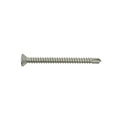
Pre-drill pilot holes for screws in hardwood and near timber edges to prevent splitting. The pilot hole diameter should be slightly smaller than the screw shank — not the thread diameter. A split board from a screw near the edge is avoidable with a 30-second pre-drill.
Frequently Asked Questions
What screw coating do I need for treated timber?
Treated (tanalised) timber requires at least C3 corrosion-rated screws. Standard zinc-plated screws react with the preservative chemicals in treated timber and corrode rapidly. Use A2 stainless steel or hot-dip galvanised screws for full outdoor exposure.
What length cable tie do I need?
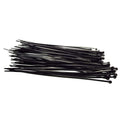
Cable tie length should be at least 2.5 times the circumference of the bundle being secured. Most standard bundles are served by 200mm or 300mm ties. Wider ties (5mm+) provide higher tensile strength for heavier duty securing.
What's a resin anchor and when should I use one?
A resin anchor uses a two-part epoxy or polyester resin injected into a drilled hole before a threaded bar or bolt is inserted. It provides high pull-out strength in concrete, brick, and stone — significantly stronger than mechanical expansion anchors in older or weaker masonry.
-
100 Cable Ties (2.5mm x 150mm) Neutral
Regular price £8.49 GBPRegular price -
100 Cable Ties (2.5mm x 100mm) Neutral
Regular price £7.99 GBPRegular price -
 Sold out
100 Cable Ties (2.5mm x 100mm) Black
Regular price £7.99 GBPRegular price


