-
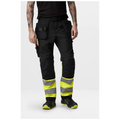
Snickers 6935 Hi-Vis Detachable Holster Pocket 4-Way Stretch Trousers Class 1
Regular price £215.81 GBPRegular priceSnickers 6935 Hi-Vis Detachable Holster Pocket 4-Way Stretch Trousers Class 1
Regular price £215.81 GBPRegular priceSnickers 6935 Hi-Vis Detachable Holster Pocket 4-Way Stretch Trousers Class 1
Regular price £215.81 GBPRegular price -
PULSAR PR505 Hi-Vis Rail Spec Waterproof Coverall
Regular price £89.47 GBPRegular pricePULSAR PR505 Hi-Vis Rail Spec Waterproof Coverall
Regular price £89.47 GBPRegular pricePULSAR PR505 Hi-Vis Rail Spec Waterproof Coverall
Regular price £89.47 GBPRegular price -
PULSAR LIFE LFE950 / LFE951 Ladies Sustainable Hi-Vis Polo Shirt
Regular price £21.05 GBPRegular pricePULSAR LIFE LFE950 / LFE951 Ladies Sustainable Hi-Vis Polo Shirt
Regular price £21.05 GBPRegular pricePULSAR LIFE LFE950 / LFE951 Ladies Sustainable Hi-Vis Polo Shirt
Regular price £21.05 GBPRegular price -
Blaklader 4470 Women's Hi-Vis Winter Jacket
Regular price £203.78 GBPRegular priceBlaklader 4470 Women's Hi-Vis Winter Jacket
Regular price £203.78 GBPRegular priceBlaklader 4470 Women's Hi-Vis Winter Jacket
Regular price £203.78 GBPRegular price -
Blaklader 3503 Women's Hi-Vis Short Sleeve T-Shirt
Regular price £54.18 GBPRegular priceBlaklader 3503 Women's Hi-Vis Short Sleeve T-Shirt
Regular price £54.18 GBPRegular priceBlaklader 3503 Women's Hi-Vis Short Sleeve T-Shirt
Regular price £54.18 GBPRegular price -
PULSAR® LIFE LFE963 GRS Women's Reversible Hi-Vis Puffer Jacket Orange
Regular price £105.26 GBPRegular pricePULSAR® LIFE LFE963 GRS Women's Reversible Hi-Vis Puffer Jacket Orange
Regular price £105.26 GBPRegular pricePULSAR® LIFE LFE963 GRS Women's Reversible Hi-Vis Puffer Jacket Orange
Regular price £105.26 GBPRegular price -
Snickers 8073 High-Vis Class 2 Women's Full Zip Jacket
Regular price £76.55 GBPRegular priceSnickers 8073 High-Vis Class 2 Women's Full Zip Jacket
Regular price £76.55 GBPRegular priceSnickers 8073 High-Vis Class 2 Women's Full Zip Jacket
Regular price £76.55 GBPRegular price -

Snickers 3233 High-Vis Holster Pocket Trousers, Class 2 Orange Waist 28"- Leg 32"- Snickers Size: 42
Regular price £64.51 GBPRegular price£86.01 GBPSale price £64.51 GBPSold out -
Snickers 3333 Hi-Vis Trousers, Class 2 Orange Waist 44" Leg 32" - Snickers Size 60
Regular price £59.90 GBPRegular price£79.86 GBPSale price £59.90 GBPSale -
Regatta TRS189 Pro Hi-Vis Short Sleeve Polo Shirt Yellow/Navy Medium
Regular price £8.42 GBPRegular price£11.23 GBPSale price £8.42 GBPSale -
Blaklader 4791 Women's Hi-Vis Waterproof Stretch Softshell Jacket
Regular price From £124.12 GBPRegular priceBlaklader 4791 Women's Hi-Vis Waterproof Stretch Softshell Jacket
Regular price From £124.12 GBPRegular priceBlaklader 4791 Women's Hi-Vis Waterproof Stretch Softshell Jacket
Regular price From £124.12 GBPRegular price -
Snickers 2573 Hi-Vis Class 1 Women's T-Shirt
Regular price £24.36 GBPRegular priceSnickers 2573 Hi-Vis Class 1 Women's T-Shirt
Regular price £24.36 GBPRegular priceSnickers 2573 Hi-Vis Class 1 Women's T-Shirt
Regular price £24.36 GBPRegular price -
Snickers 8243 Hi-Vis PU Rain Trousers, Class 2 Hi-Vis Yellow XL
Regular price £48.44 GBPRegular price£55.06 GBPSale price £48.44 GBPSale -
Blaklader 3505 Women's Hi-Vis Full Zip Sweatshirt
Regular price £72.14 GBPRegular priceBlaklader 3505 Women's Hi-Vis Full Zip Sweatshirt
Regular price £72.14 GBPRegular priceBlaklader 3505 Women's Hi-Vis Full Zip Sweatshirt
Regular price £72.14 GBPRegular price -
Snickers 6332 LiteWork, Hi-Vis Work Trousers+ Cl2 Yellow 31" Waist 35" Leg - Snickers Size 146
Regular price £63.24 GBPRegular price£84.32 GBPSale price £63.24 GBPSale -
Snickers 2530 AllroundWork, Hi-Vis T-Shirt CL 2 Orange XS
Regular price £18.27 GBPRegular price£25.76 GBPSale price £18.27 GBPSale -
PULSAR PR705 Rail Spec Ladies Unlined Storm Coat
Regular price £76.32 GBPRegular pricePULSAR PR705 Rail Spec Ladies Unlined Storm Coat
Regular price £76.32 GBPRegular pricePULSAR PR705 Rail Spec Ladies Unlined Storm Coat
Regular price £76.32 GBPRegular price -
Regatta TRJ503 Pro His-Vis Work Joggers Yellow/Navy XL
Regular price £20.00 GBPRegular price£26.66 GBPSale price £20.00 GBPSold out -
Helly Hansen 71398 Women's Luna Hi-Vis Winter Insulated Jacket
Regular price £152.38 GBPRegular priceHelly Hansen 71398 Women's Luna Hi-Vis Winter Insulated Jacket
Regular price £152.38 GBPRegular priceHelly Hansen 71398 Women's Luna Hi-Vis Winter Insulated Jacket
Regular price £152.38 GBPRegular price -
Blaklader 4967 Women's Hi-Vis knitted jacket
Regular price £99.83 GBPRegular priceBlaklader 4967 Women's Hi-Vis knitted jacket
Regular price £99.83 GBPRegular priceBlaklader 4967 Women's Hi-Vis knitted jacket
Regular price £99.83 GBPRegular price -
Blaklader 3566 Women's Hi-Vis Sweatshirt
Regular price £49.68 GBPRegular priceBlaklader 3566 Women's Hi-Vis Sweatshirt
Regular price £49.68 GBPRegular priceBlaklader 3566 Women's Hi-Vis Sweatshirt
Regular price £49.68 GBPRegular price -
PULSAR® LIFE LFE971 GRS Women's Stretch Hi-Vis Combat Trouser Yellow
Regular price £84.21 GBPRegular pricePULSAR® LIFE LFE971 GRS Women's Stretch Hi-Vis Combat Trouser Yellow
Regular price £84.21 GBPRegular pricePULSAR® LIFE LFE971 GRS Women's Stretch Hi-Vis Combat Trouser Yellow
Regular price £84.21 GBPRegular price -

Snickers 3233 High-Vis Holster Pocket Trousers, Class 2 Yellow Waist 31"- Leg 32"- Snickers Size: 46
Regular price £64.51 GBPRegular price£86.01 GBPSale price £64.51 GBPSold out -
Blaklader 4436 Women's Shell Jacket Hi-Vis
Regular price £195.16 GBPRegular priceBlaklader 4436 Women's Shell Jacket Hi-Vis
Regular price £195.16 GBPRegular priceBlaklader 4436 Women's Shell Jacket Hi-Vis
Regular price £195.16 GBPRegular price


About Hi-Vis Workwear
We stock the full range of hi-visibility garments for trade workers: jackets, trousers, t-shirts, sweatshirts and specialist women's fits. All items meet current EN ISO 20471 standards and are suitable for high-risk work environments.
**Browse by garment type:**
- [Hi-Vis Jackets & Work Coats](/collections/hi-vis-jackets) — waterproof, padded and softshell options
- [Hi-Vis Trousers](/collections/hi-vis-trousers) — combat, waterproof and slim-fit styles
- [Hi-Vis T-Shirts & Polo Shirts](/collections/hi-vis-t-shirts) — lightweight summer workwear
- [Hi-Vis Sweatshirts & Hoodies](/collections/hi-vis-sweatshirts) — mid-layer warmth for site
- [Women's Hi-Vis Workwear](/collections/womens-hi-vis-workwear) — properly fitted for female workers
Fast UK trade delivery. Bulk pricing available on request.
How to Select the Right Hi-Vis Class
Store hi-vis clothing away from direct sunlight when not in use. Prolonged UV exposure fades the background fluorescent material, reducing daytime visibility even if the garment appears superficially intact.
Frequently Asked Questions
What class of hi-vis do I need on a construction site?
Most construction sites require a minimum of EN ISO 20471 Class 2. If working near vehicle routes within the site, Class 3 is often required under site safety rules. Always check site rules before purchasing.
Does hi-vis clothing lose effectiveness when washed?
Properly manufactured hi-vis workwear should maintain its colour and retroreflective performance for 50+ washes. However, retroreflective tape degrades over time — inspect tape condition regularly and replace garments when tape begins to peel or lose reflectivity.
What's the difference between Class 2 and Class 3?
Class 3 requires coverage of both the torso and limbs (typically sleeves with retroreflective bands), providing greater visibility when arms are in motion. Class 2 covers the torso only. Class 3 is required for road workers and others working directly adjacent to traffic.