Shop by Category
-
24mm Glazing Packers - Flat Plastic Window & Door Spacers, Made in the UK
Regular price From £6.29 GBPRegular price24mm Glazing Packers - Flat Plastic Window & Door Spacers, Made in the UK
Regular price From £6.29 GBPRegular price24mm Glazing Packers - Flat Plastic Window & Door Spacers, Made in the UK
Regular price From £6.29 GBPRegular price -
24mm x 100mm Flat Plastic Glazing Packers - Precision Window and Door Spacers, 1-6mm Thickness
Regular price From £12.58 GBPRegular price24mm x 100mm Flat Plastic Glazing Packers - Precision Window and Door Spacers, 1-6mm Thickness
Regular price From £12.58 GBPRegular price24mm x 100mm Flat Plastic Glazing Packers - Precision Window and Door Spacers, 1-6mm Thickness
Regular price From £12.58 GBPRegular price -
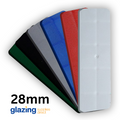
28mm Glazing Packers - Flat Plastic Window & Door Spacers, Made in UK
Regular price From £7.30 GBPRegular price28mm Glazing Packers - Flat Plastic Window & Door Spacers, Made in UK
Regular price From £7.30 GBPRegular price28mm Glazing Packers - Flat Plastic Window & Door Spacers, Made in UK
Regular price From £7.30 GBPRegular price -

28mm Packers - 10,000 Bulk Buy – 10 boxes of 1,000 mixed packers (1-6mm) Delivered in 48 Hours!
Regular price £252.00 GBPRegular price£300.00 GBPSale price £252.00 GBPSale -
28mm Packers - 6000 Bulk Buy – One Box of Each Size (1-6mm) Delivered in 48 Hours!
Regular price £157.50 GBPRegular price£158.00 GBPSale price £157.50 GBPSale -
28mm Packers - Bulk Buy – 10 bags of 300 mixed packers (1-6mm) Delivered in 48 Hours!
Regular price £113.40 GBPRegular price£145.00 GBPSale price £113.40 GBPSale -
28mm x 100mm Flat Plastic Glazing Packers – Colour-Coded Shims for Windows & Doors | Made in UK
Regular price From £7.25 GBPRegular price28mm x 100mm Flat Plastic Glazing Packers – Colour-Coded Shims for Windows & Doors | Made in UK
Regular price From £7.25 GBPRegular price28mm x 100mm Flat Plastic Glazing Packers – Colour-Coded Shims for Windows & Doors | Made in UK
Regular price From £7.25 GBPRegular price -
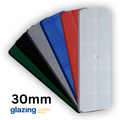
30mm Glazing Packers - Flat Plastic Window & Door Spacers, Made in UK
Regular price From £5.51 GBPRegular price30mm Glazing Packers - Flat Plastic Window & Door Spacers, Made in UK
Regular price From £5.51 GBPRegular price30mm Glazing Packers - Flat Plastic Window & Door Spacers, Made in UK
Regular price From £5.51 GBPRegular price -
30mm x 100mm Flat Plastic Glazing Packers – Colour-Coded Shims for Windows & Doors | Made in UK
Regular price From £10.71 GBPRegular price30mm x 100mm Flat Plastic Glazing Packers – Colour-Coded Shims for Windows & Doors | Made in UK
Regular price From £10.71 GBPRegular price30mm x 100mm Flat Plastic Glazing Packers – Colour-Coded Shims for Windows & Doors | Made in UK
Regular price From £10.71 GBPRegular price -
32mm Glazing Packers - Flat Plastic Window & Door Spacers, Made in UK
Regular price From £4.71 GBPRegular price32mm Glazing Packers - Flat Plastic Window & Door Spacers, Made in UK
Regular price From £4.71 GBPRegular price32mm Glazing Packers - Flat Plastic Window & Door Spacers, Made in UK
Regular price From £4.71 GBPRegular price -

32mm Packers - 10,000 Bulk Buy – Ten Boxes of 1,000 mixed packers (1-6mm) Delivered in 48 Hours!
Regular price £302.40 GBPRegular price£360.00 GBPSale price £302.40 GBPSale -
32mm Packers - 6000 Bulk Buy – One Box of Each Size (1-6mm) Delivered in 48 Hours!
Regular price £138.60 GBPRegular price£158.00 GBPSale price £138.60 GBPSale -
32mm Packers - Multi-Buy – Ten packs of 120 mixed packers (1-6mm)
Regular price £73.50 GBPRegular price£100.00 GBPSale price £73.50 GBPSale -
32mm x 100mm Flat Plastic Glazing Packers – Colour-Coded Shims for Windows & Doors | Made in UK
Regular price From £8.81 GBPRegular price32mm x 100mm Flat Plastic Glazing Packers – Colour-Coded Shims for Windows & Doors | Made in UK
Regular price From £8.81 GBPRegular price32mm x 100mm Flat Plastic Glazing Packers – Colour-Coded Shims for Windows & Doors | Made in UK
Regular price From £8.81 GBPRegular price -
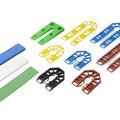
Broadfix Levelling Pack Assorted Shims – 160 Pieces | BFXBAL160
Regular price £16.79 GBPRegular price


What are glazing packers (window packers)?
How to choose the right glazing packer
Always use at least two packers on the sill — one at each end — before checking level. Adjust the sill first, then pack the jambs to plumb.
Frequently Asked Questions
What size glazing packers do I need?
You need two measurements: the width (match your frame's rebate depth — 28mm is the most common for standard double glazing) and the thickness (match the gap between glass and frame — 2mm is the most frequently used). For triple glazing or composite doors, use 32mm width and 4–6mm thickness.
What is the colour coding for glazing packers?
Our glazing packers are colour-coded by thickness: 1mm green, 2mm black, 3mm white, 4mm grey, 5mm blue and 6mm red. This lets installers identify thickness at a glance without measuring. Note that our U packers (horseshoe shims) use a separate code — 2mm yellow, 3mm red and 5mm green.
How many glazing packers do I need per window?
A standard single casement window typically needs 6–8 packers: 3 on the bottom edge (two corners plus centre) and 2–3 on the sides for toe-and-heel packing. A box of 1,000 mixed packers covers approximately 125–170 standard windows.
What is the difference between glazing packers and setting blocks?
Setting blocks (bridge packers) are thicker, bridge-shaped plastic supports placed at the bottom of the glass unit to carry its weight. Glazing packers are thinner, flat shims used around all edges to level and lock the unit in position. Most installations use both.
Can I stack glazing packers?
Yes. Stacking is standard practice — for example, a 2mm + 1mm stack gives 3mm with a tighter fit than a single 3mm packer. Stack no more than three packers together; beyond that, use a single thicker packer for stability.
Are your glazing packers recyclable?
Yes — all GSD glazing packers are made from 100% recyclable material (HIPS or polypropylene) and manufactured in the UK. They meet site waste management requirements.